
Health, Sickness, and Self-Diagnosis: A Welcome Week Panel
As part of this year’s Welcome Week, Institute staff—led by President Gregg Garner—facilitated a discussion on Health, Sickness, and Self-Diagnosis. The purpose was simple but urgent: to help students know when physical and mental symptoms require rest and care, and when they need to grow in resilience by pressing through.

The conversation unfolded with the voices of trusted leaders: Jennifer Nyago, Director of Student Life, commended for her decades of walking with students through wellness and responsibility; Kristin Bennecker, Associate Pastor at Community Church for GOD, who spoke from her lived experience of Lyme disease while actively serving in ministry; and Jaimee Arroyo, Nurse Practitioner and founder of Hopewell Family Care, who integrates medical expertise with biblical conviction in her approach to healthcare. Garner himself contributed by sharing from his own history of illness, survival, and recovery, underscoring the seriousness of the discussion.
Sorting Through Online Noise
The panel began by acknowledging the flood of health-related content Gen Z faces every day. Social media provides a constant stream of diagnoses, treatment hacks, and “expert” advice. But how much of it is reliable?
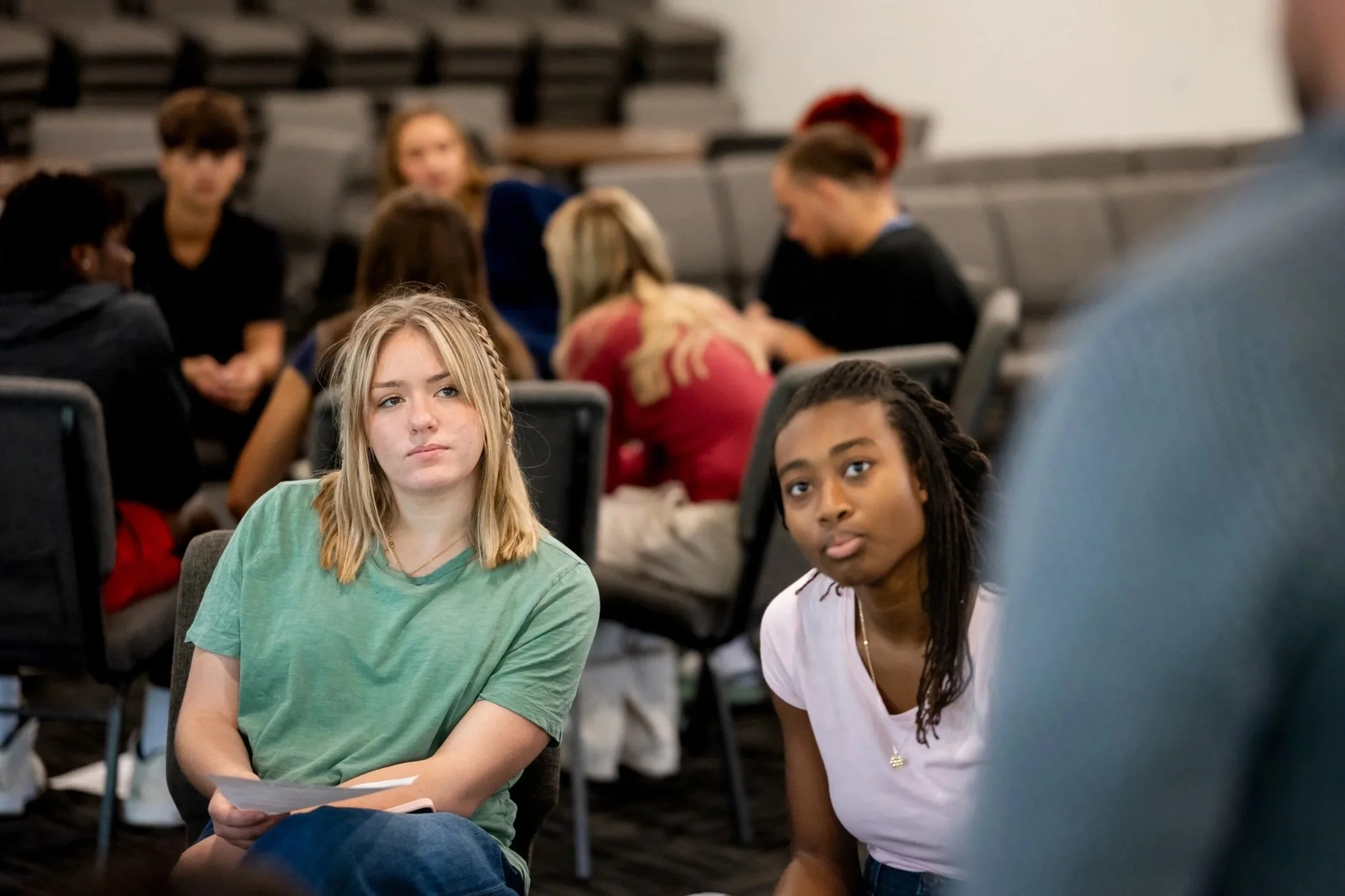
The statistics are sobering: 50% of Gen Z report self-diagnosing using online sources—30% more than millennials. On TikTok, 83% of mental health content is considered misleading. The convenience of looking up symptoms has created what the panel called “a generation of self-diagnosers,” often without the knowledge or accountability to test whether those claims are accurate.
Jennifer Nyago noted that this overexposure can shape identity in unhelpful ways. Students sometimes use diagnostic labels casually—saying “I’m OCD” or “I’m so ADHD”—when the reality is far more complex. The danger, she said, is that unverified labels can excuse behavior or create unneeded fear. Instead, Nyago encouraged students to be careful with language, seek clarity from mentors or medical professionals, and avoid letting trending terms replace personal responsibility.
Knowing When to Rest and When to Push
Students often wrestle with the decision of whether to show up when they feel unwell. The panel framed this question as one of discernment.
If a student is truly debilitated—unable to walk, focus, or hold down food—then rest is necessary. Pushing through in those cases risks worsening the illness and spreading it to others. Yet the panel was clear: discomfort does not equal incapacity. Fatigue, minor headaches, or general malaise are not reasons to disappear from class, ProDev, or community responsibilities.
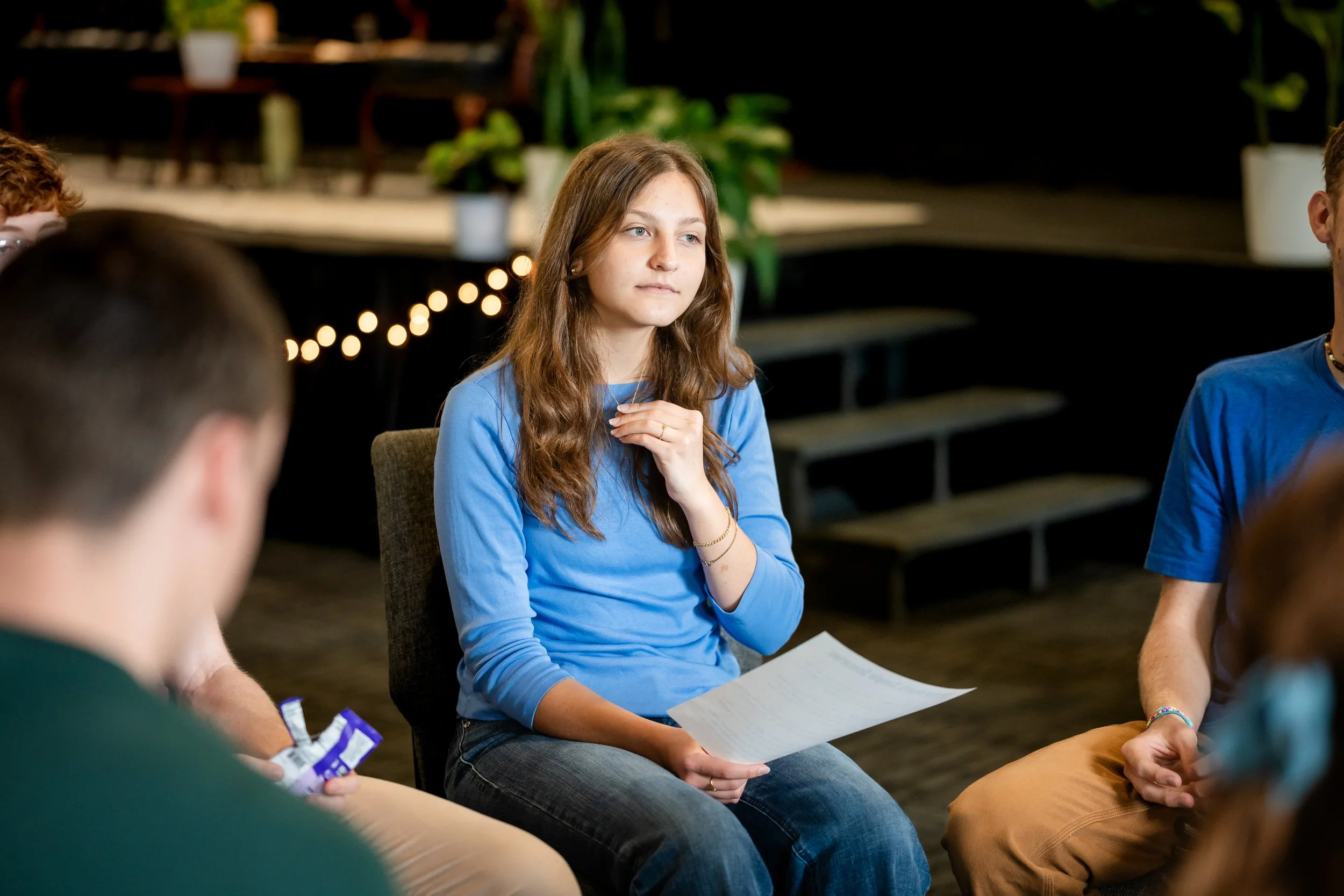
Kristin Bennecker’s testimony made the point vivid. In 2020, she was diagnosed with Lyme disease while also carrying heavy ministry responsibilities. Instead of withdrawing, she learned to lean on God’s strength and the support of her community. Friends brought meals, her husband kept her on track with treatments, and she discovered rhythms of rest that allowed her to keep her commitments. “If I had disqualified myself too soon,” she told students, “I would have missed the chance to see God’s power show up when I was weakest.”
Her story demonstrated the principle: discernment requires both humility and courage. Sometimes the right choice is rest. Sometimes it is pressing forward with faith, trusting God to provide strength.
Chronic vs. Acute Illness
The panel also distinguished between two different realities of sickness: chronic and acute.
Chronic conditions (like long-term pain, autoimmune issues, or recurring infections) require planning and communication. Students with chronic health needs should establish rhythms that allow them to participate responsibly without forcing others to constantly adjust. The key is consistency: showing mentors and peers that you can be counted on, even if some accommodations are necessary.
Acute illness (such as fevers, vomiting, or contagious infections) often requires staying home. Rest is not only for recovery but also to protect the larger community.
Gregg Garner emphasized the need for perspective, sharing a story about his own accident in Uganda in 2011. Struck head-on by a safari vehicle, he underwent eight surgeries and was left with lasting damage to his senses of taste and smell. For a time, everything he ate tasted rancid, making basic nutrition nearly impossible. Yet even in that condition, he recalibrated, retrained his senses, and returned to teaching. At one point, he taught five courses in a semester, sometimes from a wheelchair or even lying down. His takeaway for students was clear: “God doesn’t bring His people around the wilderness. He brings them through it.”
Accountability and Care in Community
While health can feel like an individual concern, the panel stressed that it is also communal. Students live, learn, and serve alongside one another, which means their health choices impact their peers.
The call was not only to avoid excuses but to push friends toward growth. Too often, students give one another permission to skip commitments based on vague discomforts. Instead, friends should be the voice of encouragement: “You can do this. Let’s show up together.”
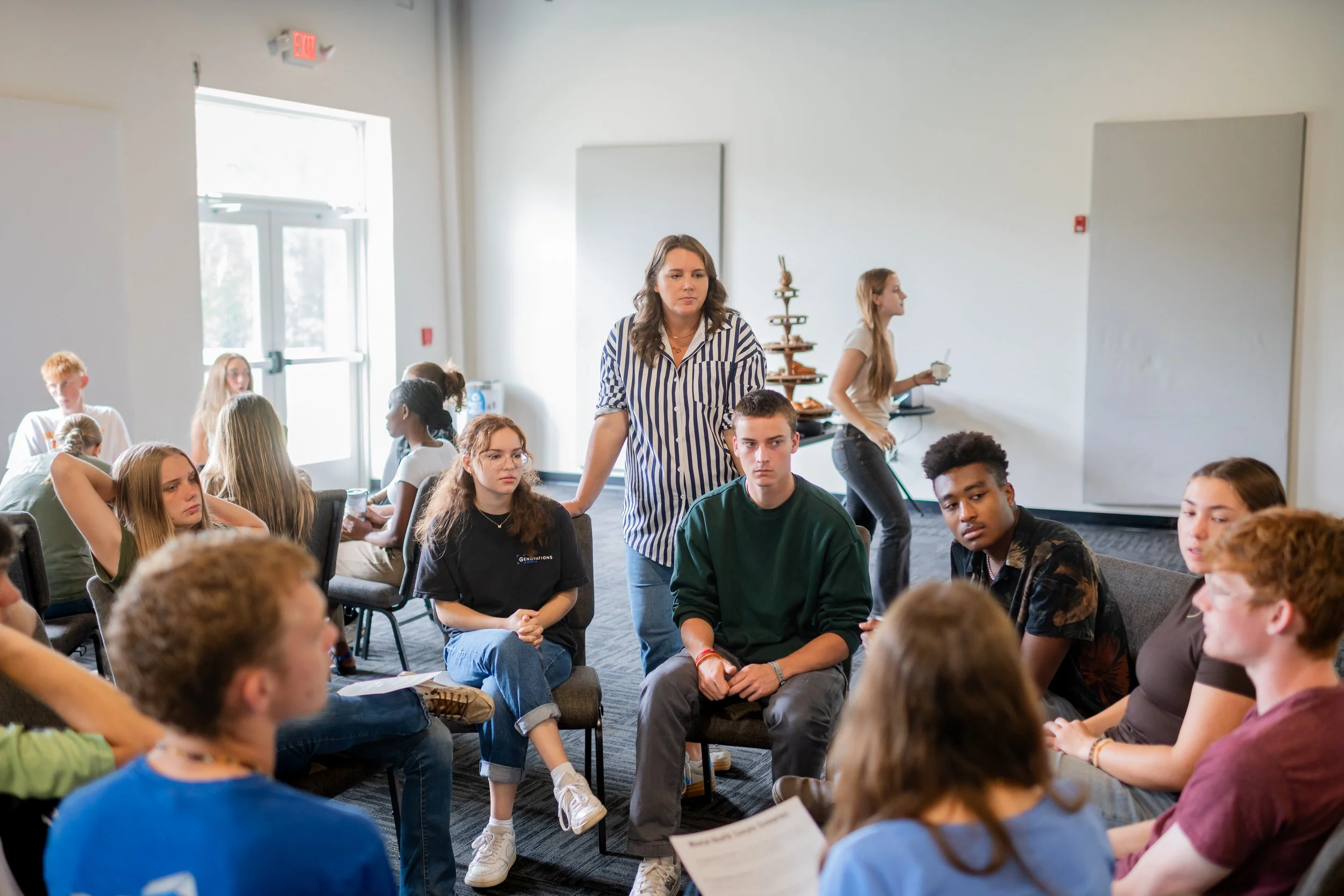
At the same time, accountability includes compassion. Jaimee Arroyo reminded students that real friendship sometimes looks like linking arms and helping one another get where they need to be—whether by picking up a meal, providing a ride, or offering prayer. The point is not to minimize real illness but to prevent small struggles from turning into patterns of avoidance.
This approach is especially vital in light of trends among Gen Z. Thirty percent report self-diagnosing based solely on social media content, and many filter health decisions through algorithms rather than relationships. At the Institute, accountability is meant to reset that pattern—placing health decisions back into the context of trust, truth, and community.
Everyday Scenarios
The Q&A portion of the panel explored practical situations students regularly face.
Headaches vs. migraines. Migraines often include nausea, vision changes, or light sensitivity. Repeated migraines signal the need for medical evaluation, while ordinary headaches may only require hydration, rest, or posture adjustments.
Roommate illness. If a roommate contracts the flu or COVID, the sick student should isolate in the room while others focus on hygiene, hydration, and healthy eating. Sugar and caffeine were noted as immune suppressors that make recovery harder.
Mental health overwhelm. Temporary breakdowns—like uncontrollable crying—may justify stepping away from class briefly. But repeated avoidance signals a deeper issue and requires communication with mentors or counselors.
Even small details reinforced the message. A student science project once demonstrated that cell phones carry more bacteria than basketballs or bathroom surfaces. It became a lighthearted but powerful reminder of how easily germs spread when students ignore hygiene.

Broader Framing: Building Resilient Students
While the panel addressed immediate health concerns, it also reflected a broader goal of The Institute for GOD: forming students who are resilient in both faith and practice. In a world where Gen Z faces unprecedented mental health challenges, information overload, and cultural confusion about wellness, the Institute aims to equip students with biblical perspective, medical wisdom, and communal accountability.
Garner’s own story embodied this mission. Having survived malaria, typhoid, dengue, chikungunya fever, scarlet fever, intestinal infections, mononucleosis, and cancer, he knows firsthand the reality of sickness. Yet his testimony is not one of defeat but of perseverance: finding God’s strength in weakness, learning to adapt, and continuing to serve.
The message to students was not simply about avoiding illness or diagnosing correctly. It was about becoming the kind of people who can be counted on—people who understand their limits but refuse to let excuses define them.
Takeaways
Verify information before adopting health claims. Half of Gen Z self-diagnose online, but most content is misleading.
Rest when genuinely debilitated, but push through ordinary discomforts.
Chronic conditions require rhythms, communication, and consistency.
Acute illnesses justify staying home for recovery and community protection.
Accountability means helping friends take the right next step, not excusing avoidance.
Use diagnostic language carefully; avoid adopting labels casually.
Resilience grows when faith shapes responses to weakness and illness.